





Core Disciplines | Teacher Resources | Staff | Board of Directors
Core Disciplines
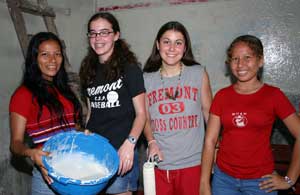
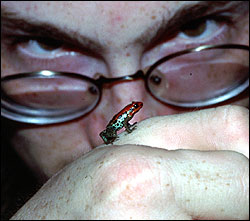
Service Leadership Service is one of the best ways for students to engage in a hands-on learning experience that has genuine meaning to them and their communities. We have made service and leadership essential parts of the Global Explorers experience. Prior to the international workshop, our Discovering Classroom Earth curriculum engages students in skill building activities and discussions about leadership. At the same time, they begin learning about the value of service in their communities and start planning a community service project. Following the international workshop, we work with students back in their home communities to develop student-designed service projects that bring personal and community meaning to their international experience. Some students focus their energy on making a difference in their own home community. Projects may include initiating a recycling program at school, participating in an on-going stream clean-up project, supporting disadvantaged members of the community, or educating others about local conservation issues. Other students focus their attention on the region they visited. Projects may include raising funds to support the school they visited, educating others at home about conservation issues abroad, or supporting organizations working in the region visited. Students in our program explore conservation biology, a cross-disciplinary science that applies principles from such areas as ecology, sociology, anthropology and philosophy. The field of conservation biology emphasizes the importance of using rigorous scientific techniques and interdisciplinary approaches to understand and protect the biological diversity of our planet. We teach students field science techniques and how to apply them successfully towards conservation of natural areas. While in the field, students frequently learn these techniques from the scientists themselves. In the classroom, we provide hands-on activities that give students a basic understanding of the core principles of conservation biology. Cultural Studies Students in our program study present cultures and ancient civilizations. In the process, they learn about how cultures are shaped and how they operate today. While in the field, students learn directly from other students of the culture that they are visiting. This can involve working together on a service project, visiting families and sharing stories, playing games together and cooking a traditional meal. In the classroom, students compare their own culture to the one that they will be visiting. At the same time, they explore the challenges of interacting with and studying new cultures. Core Disciplines | Teacher Resources | Staff | Board of Directors |
 Conservation
Biology
Conservation
Biology